


Blogs
Diesel Engine Repairs Mandurah Drivers Trust

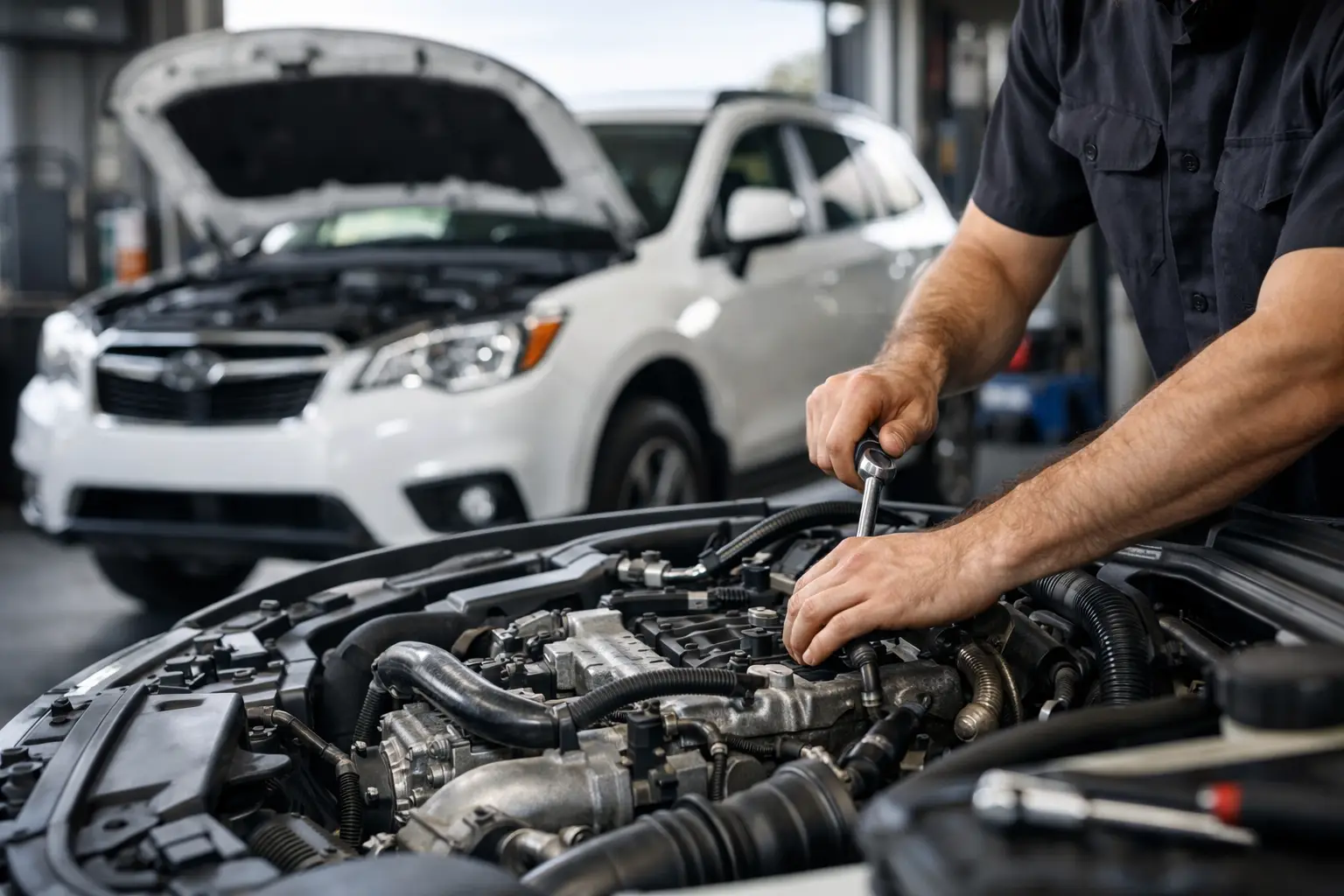
A diesel that starts hard in the morning, blows more smoke than usual, or feels flat under load is usually telling you something early. The problem is that many owners put it down to bad fuel, weather, or a one-off issue, then keep driving until a smaller fault turns into a bigger repair. When it comes to diesel engine repairs Mandurah vehicle owners need, getting the diagnosis right from the start matters more than guessing and swapping parts.
Diesel engines are built for hard work, but they are not simple in the way older models used to be. Modern diesels rely on accurate fuel delivery, clean airflow, proper boost pressure, emissions components working as they should, and strong electrical control systems. If one part falls out of line, the symptoms can spread across the whole vehicle.
What diesel engine repairs in Mandurah usually involve
A proper diesel repair job is not just about replacing whatever looks worn. It starts with figuring out whether the issue is mechanical, fuel-related, electrical, or a mix of all three. That is especially true for utes, vans, light trucks, and fleet vehicles that spend their lives under load or doing stop-start work.
Some jobs are straightforward. A leaking hose, a failed sensor, a blocked fuel filter, or a worn belt can create obvious symptoms and be dealt with quickly once confirmed. Other faults take more work. Low compression, injector imbalance, turbocharger issues, overheating damage, or DPF-related problems can all mimic each other if the testing is not thorough.
That is why workshop-level diagnostics matter. Scan data is useful, but fault codes alone do not tell the whole story. A diesel may log a code for boost pressure, for example, when the real cause is a split intercooler hose, a sticking actuator, carbon buildup, or an exhaust restriction. Good repair work starts with testing, not assumptions.
Common signs your diesel needs attention
Most diesel failures do not happen without warning. The signs are usually there first, even if they seem minor.
Hard starting is one of the most common. If the engine cranks longer than normal, starts rough, or only plays up when cold, the cause could be glow plug issues, injector problems, low fuel pressure, or compression loss. It depends on the vehicle and how the fault behaves.
Excess smoke is another clear warning sign. Black smoke often points to too much fuel or not enough air. Blue smoke can suggest oil burning. White smoke may indicate unburned fuel, injector issues, or internal engine trouble. Smoke color is useful, but it is only one part of the diagnosis.
Loss of power matters too, especially in working vehicles. If a ute feels lazy towing, struggles on hills, or goes into limp mode, the issue might be turbo-related, fuel-system related, or tied to airflow and emissions controls. Ignoring it usually means poorer fuel economy and more strain on the engine.
Rough idle, increased fuel use, knocking noises, overheating, warning lights, or frequent DPF regeneration are all worth checking before they turn into a breakdown.
The diesel faults that show up most often
Fuel system problems are high on the list. Diesel engines rely on precise fuel pressure and injector performance. Contaminated fuel, worn injectors, faulty pumps, and blocked filters can all affect how the engine starts, idles, and pulls. In common rail systems, even a small issue can throw off the entire balance.
Turbocharger faults are also common, especially in vehicles that tow, carry loads, or spend a lot of time in stop-start driving. Lack of boost, oil leaks, actuator faults, damaged hoses, or worn turbo internals can all lead to poor performance. Sometimes the turbo is the problem. Sometimes it is only the part getting blamed for a fault elsewhere.
Then there is the DPF system. On paper, it is straightforward. In real-world driving, especially short trips and interrupted regeneration cycles, DPF issues can become a repeat problem. A blocked DPF may be the result of driving style, but it can also be a symptom of injector faults, sensor issues, excessive soot production, or engine inefficiency. Replacing parts without fixing the cause usually means the problem comes back.
Cooling system faults are another area owners should not leave too long. A diesel that runs hot can suffer expensive internal damage fast. Water pumps, thermostats, radiators, hoses, fan operation, and head gasket condition all need to be checked properly if overheating is involved.
Why diesel diagnosis is where good repairs begin
A lot of diesel problems overlap. A vehicle with poor power and smoke could have injector issues, turbo issues, air leaks, EGR problems, or a restricted exhaust. A vehicle with a hard-start complaint could be dealing with fuel drain-back, sensor faults, battery and cranking issues, or internal wear. That is why a quick guess can cost more in the long run.
Proper diagnosis usually includes fault-code scanning, live data review, physical inspection, pressure testing where needed, and checking how the engine behaves under real conditions. In some cases, compression testing or more in-depth mechanical checks are the only way to confirm the root cause.
That approach saves time and avoids unnecessary parts replacement. For owners, that means less downtime and a better chance of fixing the vehicle properly the first time.
Repairs versus rebuilds – when it depends
Not every diesel with a serious problem needs a full rebuild. In some cases, targeted repairs make sense. Replacing injectors, repairing turbo components, fixing cooling-system faults, or sorting out electrical and sensor issues can return the engine to solid working condition without going deeper.
But there are times when the damage is already inside the engine. Low compression, bearing noise, repeated overheating, oil contamination, or severe internal wear can point toward more extensive work. If the vehicle is otherwise in good condition, an engine rebuild may be the smarter long-term option than patching one issue after another.
This is where honest workshop advice matters. The right answer depends on the engine condition, how the vehicle is used, and whether reliability is more important than short-term delay. For a tradie’s work ute or a fleet vehicle, ongoing downtime can cost more than dealing with the repair properly.
Diesel servicing and repairs go hand in hand
A lot of major diesel repairs start with maintenance being stretched too far. Long service intervals, poor-quality filters, missed fuel-system checks, and unresolved warning signs all add up.
Diesel servicing is not just an oil change. It should include inspection of filters, belts, hoses, cooling system condition, battery and charging performance, and any signs of leaks or abnormal wear. On modern vehicles, it also means keeping an eye on DPF behavior, intake condition, and scan data if symptoms are starting to show.
For commercial vehicles and fleet units, consistency matters just as much as timing. If one van gets serviced properly and another only gets looked at when something fails, the repair history becomes harder to manage and preventable faults get missed.
Choosing the right workshop for diesel engine repairs Mandurah
If you need diesel engine repairs Mandurah locals can depend on, look for a workshop that handles more than basic servicing. Diesel faults often involve fuel systems, turbo systems, cooling systems, emissions components, and electrical diagnostics all at once. A shop that can only cover one part of the problem may end up sending you in circles.
Experience across different makes and vehicle types matters too. Passenger diesels, work utes, vans, and light trucks all have their own common failure points. A workshop used to seeing a wide mix of diesel vehicles is more likely to spot patterns early and recommend repairs that suit how the vehicle is actually used.
It also helps to work with a local mechanic who speaks plainly. You want to know what has failed, what testing confirmed it, and whether the repair is likely to solve the issue or only buy time. That kind of direct advice is part of good service.
At Chris Automotive Repair Services, that practical approach is what diesel owners expect. The job is to diagnose the fault properly, repair it to a solid standard, and get the vehicle back on the road without the usual runaround.
When to book the vehicle in
If the diesel is smoking, losing power, starting poorly, overheating, or showing warning lights, waiting rarely improves anything. Even if the vehicle is still driving, continued use can increase soot loading, strain the turbo, contaminate the oil, or push a small cooling issue into major engine damage.
The earlier the vehicle is checked, the more repair options you usually have. That is true for private owners trying to avoid a major bill, and it is just as true for business operators trying to keep work vehicles available.
A diesel engine will usually tell you when something is off. The smart move is to listen early, get it tested properly, and deal with the cause before the repair gets bigger than it needs to be.