


Blogs
Fixed Price Car Servicing Mandurah Guide

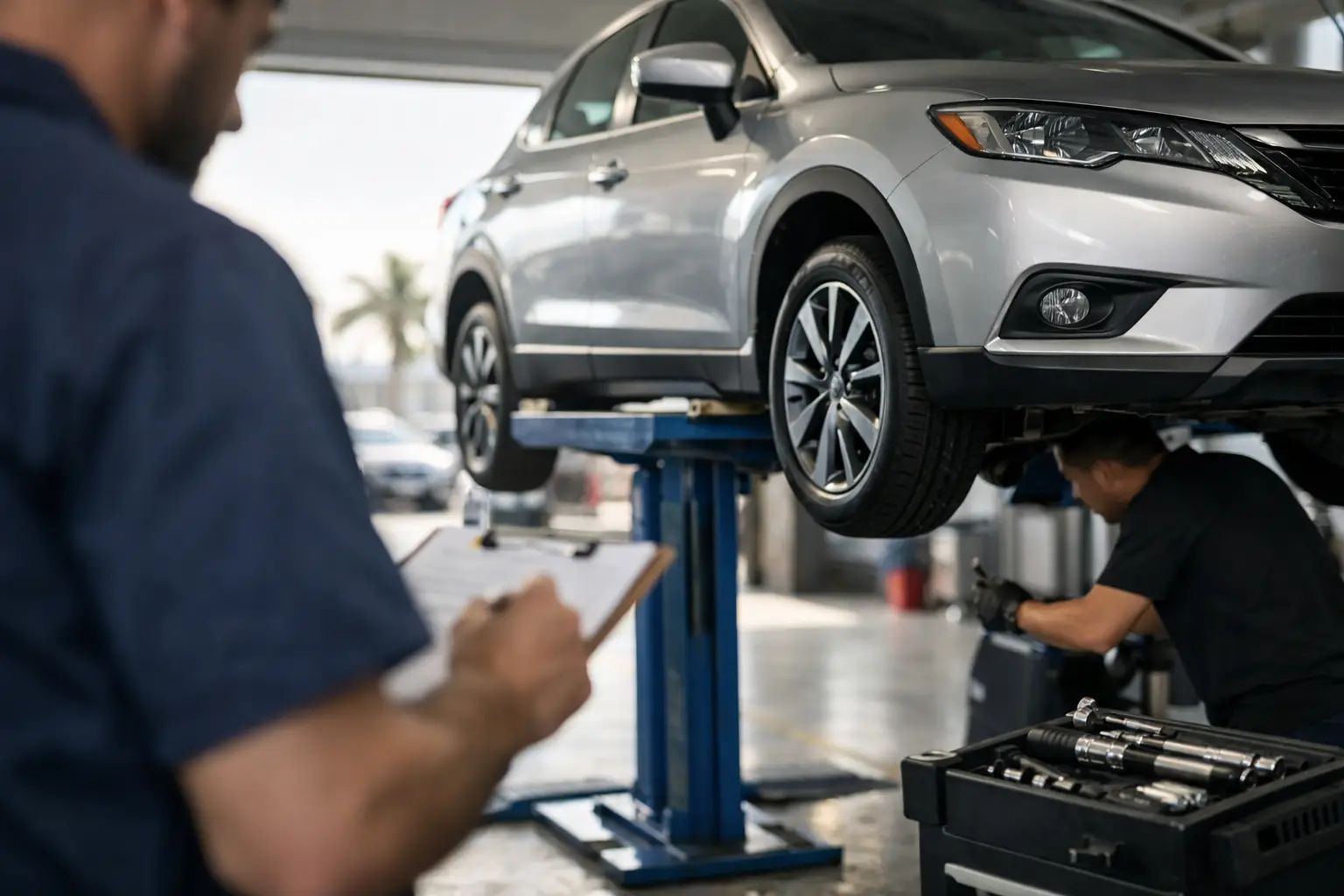
When your car is due for maintenance, the last thing you want is a vague estimate, a confusing phone call halfway through the day, or a bill that keeps growing. That’s why fixed price car servicing Mandurah drivers ask for usually comes down to one thing – clarity. You want to know what’s being done, why it matters, and what to expect before the vehicle goes into the workshop.
For most drivers, a fixed-price service is not about chasing the cheapest job possible. It’s about controlling costs, keeping the vehicle reliable, and avoiding surprises. That matters whether you drive a family SUV, a diesel ute for work, a light van, or a small fleet vehicle that needs to stay on the road.
What fixed price car servicing in Mandurah actually means
A fixed-price service is a set service package for routine maintenance items based on the type of service your vehicle is due for. In plain terms, it means the standard work included in that service is quoted upfront. That usually covers the labor and the normal service parts needed for a scheduled maintenance visit.
This approach works well for regular servicing because many jobs follow a known process. Oil and filter changes, safety checks, fluid inspections, and standard replacement items can often be planned properly before the car arrives. That gives the owner a clearer idea of the expected cost and gives the workshop a cleaner process to follow.
Where people get caught out is assuming fixed price means every possible issue is included. It doesn’t. If a technician finds worn brakes, a leaking water pump, suspension play, electrical faults, or a diesel DPF issue during inspection, that repair work is separate from the standard service. A good workshop will explain that clearly rather than rolling everything into one unclear figure.
Why fixed price car servicing Mandurah vehicle owners prefer
There’s a practical reason fixed-price servicing appeals to local drivers. Most people are balancing running costs with reliability. If your car is a daily driver, school-run vehicle, work ute, or delivery van, downtime causes more trouble than the service itself.
A fixed-price model helps with planning. You can book the service knowing the routine work has already been scoped properly. That makes it easier to stay on top of maintenance intervals instead of putting the service off because you’re worried about what the bill might look like.
It also helps build trust. When the service inclusions are explained upfront, there’s less room for confusion later. You know what the workshop is doing as part of the booking and what would count as additional repair work if something else is found.
What should be included in a fixed-price service
The exact inclusions depend on the vehicle, the service interval, and whether it’s a basic, logbook, or more involved scheduled service. Still, there are some common items most drivers should expect to see covered in a routine fixed-price service.
At a minimum, the service should include fresh engine oil, a new oil filter, and a general inspection of the vehicle’s key safety and operating systems. That inspection typically looks at brakes, suspension, steering, tires, battery condition, belts, hoses, fluid levels, and visible leaks. The technician should also check lights, wipers, and other basic roadworthy items.
On some vehicles, especially those due for a larger interval service, it may also include air filters, cabin filters, fuel filters, spark plugs, or other scheduled items listed by the manufacturer. That’s where experience matters. A proper workshop doesn’t just give every vehicle the same basic treatment. It matches the service to the make, model, engine type, and service schedule.
The difference between basic servicing and proper servicing
Not all servicing is equal, even when the price looks tidy on paper. A low-effort service can be little more than draining oil, fitting a filter, and sending the car out the door. That might check a box, but it does not do much to protect the vehicle long term.
Proper servicing is more than replacing consumables. It’s about inspection, diagnosis, and catching problems early. A small oil seep, a cracked drive belt, uneven tire wear, brake pad wear, or a weak battery may not stop the vehicle today, but those issues often turn into larger repairs if they’re missed repeatedly.
That’s why the best fixed-price servicing still needs workshop discipline behind it. The value is not just in the set price. It’s in whether the vehicle is actually being checked by someone who knows what they’re looking at.
It depends on the vehicle you drive
Fixed-price servicing makes sense for a wide range of vehicles, but no honest mechanic should pretend every job is identical. A late-model petrol hatchback and a diesel commercial van do not have the same service needs. A European vehicle may require specific oil grades and service procedures. A tradie’s ute that tows regularly will often need closer attention to brakes, suspension, cooling, and driveline components than a car used mainly for local trips.
That does not make fixed pricing useless. It just means the service has to be built around the vehicle type and the correct maintenance schedule. If a workshop asks the right questions before booking – make, model, year, engine type, mileage, and last service history – that’s usually a good sign they’re pricing the work properly instead of guessing.
How regular servicing helps avoid bigger repair bills
Routine servicing is one of the few things that genuinely helps control long-term vehicle costs. Skipped services usually do not save money. They delay spending until the problem is more serious, more inconvenient, and more expensive to repair.
Old oil loses its ability to protect internal engine components. Dirty filters restrict airflow and fuel delivery. Worn brake components damage rotors. Neglected cooling systems can lead to overheating. Suspension wear puts extra stress on tires and steering parts. On diesel vehicles, poor maintenance can also contribute to DPF and emission-related issues.
Servicing gives the workshop a chance to pick up these problems while they are still manageable. That matters even more for people who rely on their vehicles for work. A planned service is far easier to deal with than a breakdown that knocks a ute or van out of action.
What to ask before booking a fixed-price service
If you want the service to go smoothly, ask a few direct questions upfront. First, confirm exactly what is included in the quoted service. Second, ask whether the workshop follows manufacturer or logbook requirements where needed. Third, check whether they will contact you for approval before carrying out any extra repairs.
It also helps to ask what type of parts and fluids are being used. Good servicing depends on proper oil specifications, quality filters, and parts that suit the vehicle. Cheap materials can undermine the value of the whole job.
For commercial vehicles or fleet operators, consistency matters as much as price. You want the same servicing standard applied across the vehicles, clear reporting on what’s due next, and practical turnaround times that keep the fleet moving.
Choosing a workshop for fixed price car servicing Mandurah drivers can rely on
A good local workshop should be able to handle more than routine maintenance. That matters because servicing often leads to follow-up repair work, and it’s easier when the same team can diagnose and repair the vehicle properly if something is found.
Look for a workshop with real experience across petrol and diesel vehicles, passenger cars, utes, vans, and light commercial vehicles. Broad capability matters. If the workshop can deal with brakes, suspension, diagnostics, engine issues, transmission faults, and electrical problems, you’re less likely to be sent elsewhere when the service inspection uncovers something important.
You also want straight answers. If the car needs extra work, the explanation should be clear and practical. If it can wait, you should be told that too. Honest servicing is not about turning every inspection into a major repair. It’s about knowing the difference between urgent, recommended, and monitor-for-now.
Chris Automotive Repair Services works the way many local drivers prefer – practical advice, proper servicing, and repairs done with the goal of keeping vehicles dependable rather than overselling the job.
Fixed-price servicing is about control, not shortcuts
The best reason to choose fixed-price servicing is simple. It gives you a clearer handle on routine maintenance without cutting corners on the basics. When the service is matched to the vehicle, carried out properly, and backed by experienced inspection, it becomes one of the smartest ways to stay ahead of wear and avoid unwanted surprises.
If you’re booking your next service, look for clarity, experience, and a workshop that treats routine maintenance like preventive repair work, not just a quick oil change. That mindset usually saves more trouble than any flashy promise ever will.
https://carsperth.com.au/vehicle-servicing-in-mandurah/